Free challenges still deserve due diligence. The FCA warning list is one place to check firms that make aggressive claims or operate without clear authorisation.
A free prop firm challenge sounds like a dream. No evaluation fee, no upfront cost, just prove you can trade and get funded. Some firms do offer this. But the word "free" in the prop firm world always comes with conditions, and understanding those conditions before you start will save you weeks of wasted time.
The reality is that most "free" challenges are marketing tools designed to get you through the door. That does not make them worthless. It means you need to know what you are signing up for.
Key Takeaways
- Free prop firm challenges exist but always come with conditions like stricter rules, smaller account sizes, or revenue sharing instead of a standard profit split.
- The most common types are promotional free trials, trading competitions, and instant funding with profit targets.
- Free challenges have lower profit splits and tighter risk parameters than paid evaluations because the firm takes all the financial risk.
- They are a legitimate way to get funded if you are skilled but undercapitalized, but they are not a shortcut past the actual trading ability requirement.
On This Page
What Is a Free Prop Firm Challenge?
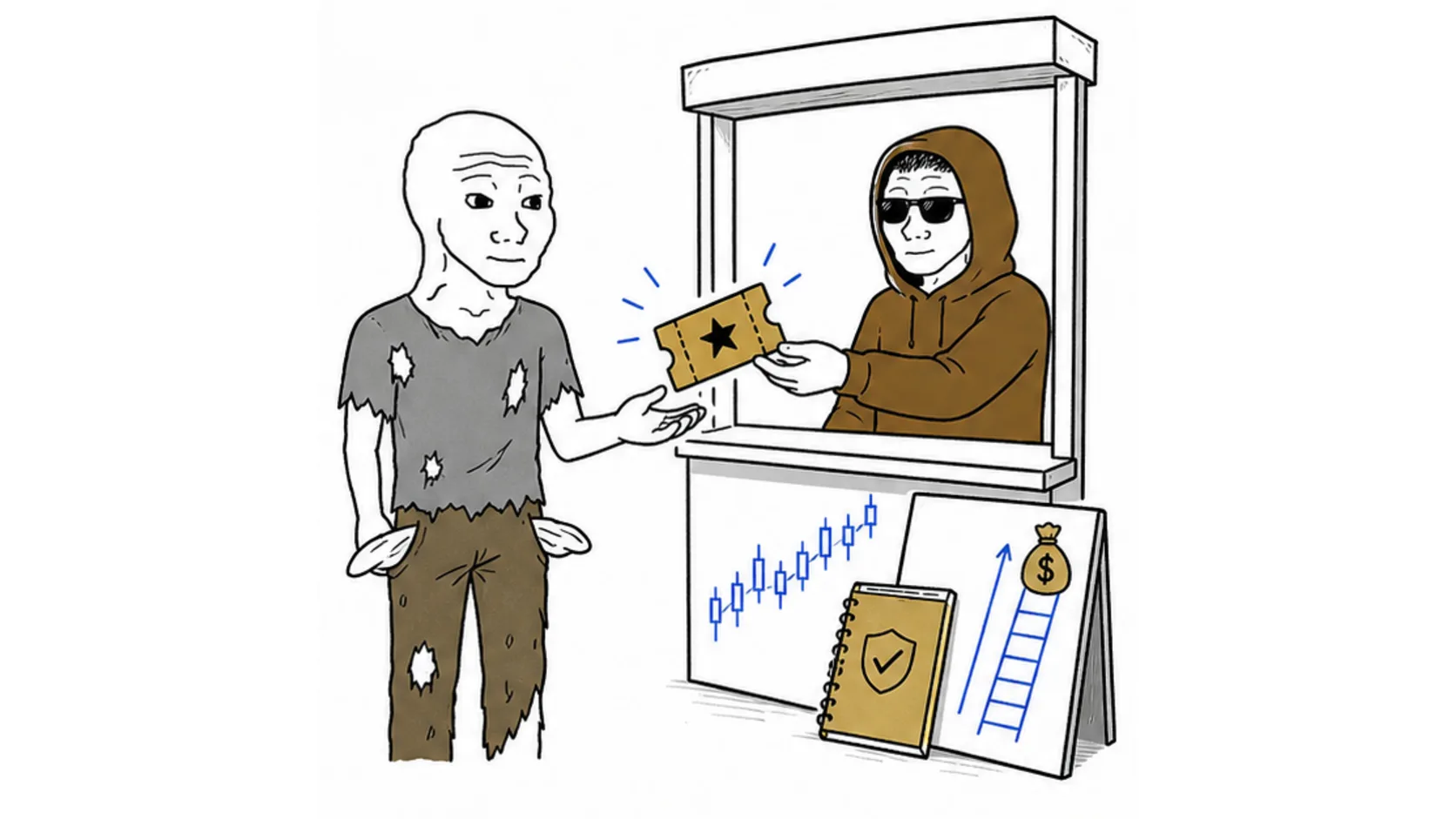
A free prop firm challenge is an evaluation that does not require an upfront payment. Instead of paying $200 to $500 for a standard evaluation, you get access to a trading account and must prove your skill without any initial financial commitment.
The firm takes the risk. You provide the trading ability. If you pass, you get a funded account and split the profits. If you fail, you lose nothing except your time.
That sounds amazing. And it can be. But the firm is not being generous. They are making a calculated business decision. Free challenges are a customer acquisition strategy. The firm is betting that enough skilled traders will enter through the free path and eventually upgrade to paid accounts or stick around long enough to generate revenue through profit splits.
Understanding this motivation helps you evaluate whether a specific free challenge is worth your time or just a funnel to get your email address.
The Four Types of Free Challenges
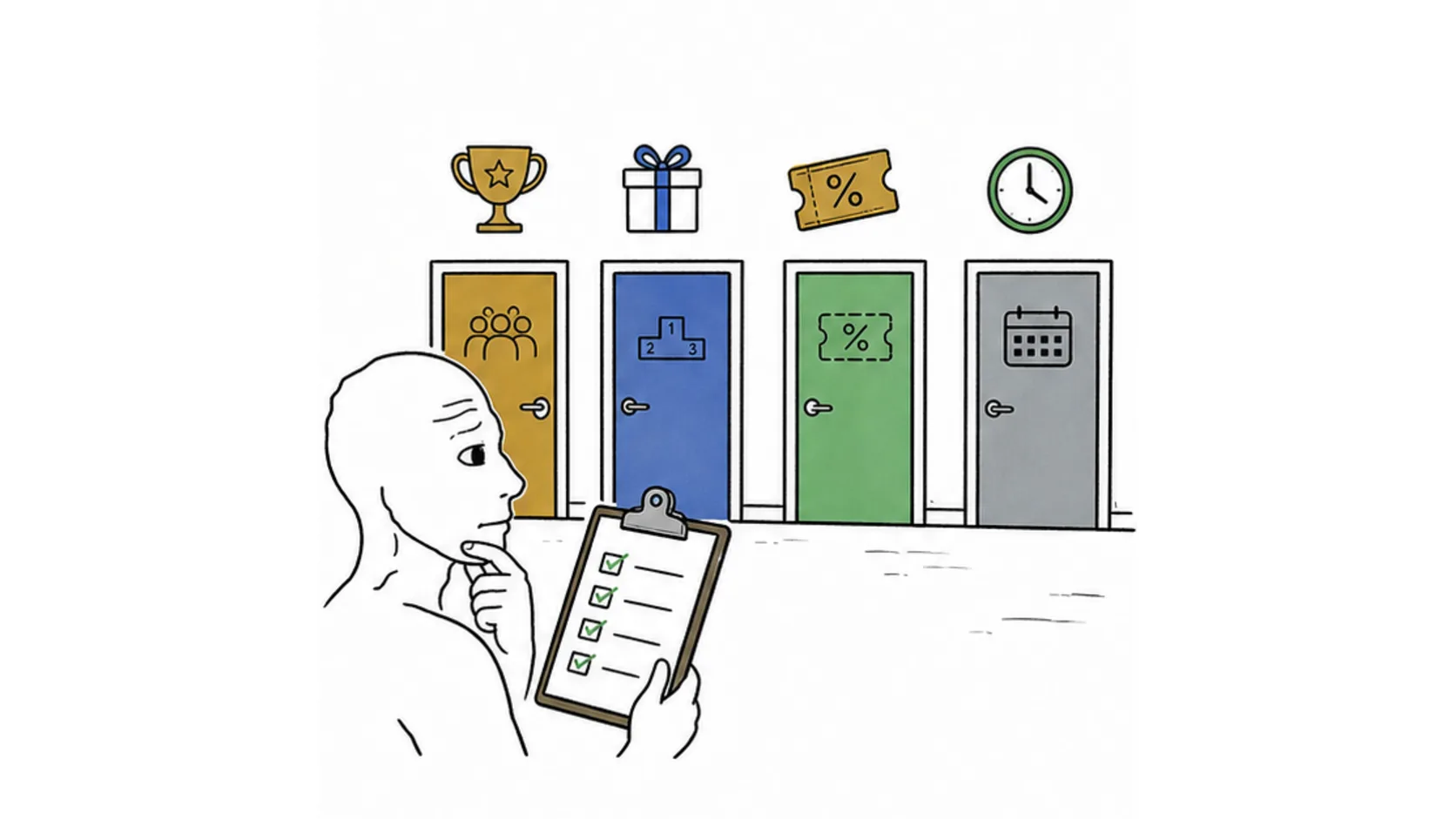
Not all free prop firm challenges are the same. Here are the four main types you will encounter.
1. Promotional free trials. The firm gives you a temporary evaluation account, usually with a short deadline. Pass within the time limit and you get funded. These are typically offered during launch periods, holidays, or as affiliate promotions.
The catch is usually a tighter time limit. A standard evaluation gives you unlimited time. A free trial might give you 7 to 14 days. That pressure to perform quickly is what catches most people out.
2. Trading competitions. The firm hosts a leaderboard-based competition. You trade on a demo, and the top performers win funded accounts. These are legitimate and run by several firms throughout the year.
The catch is competition. You are not just trying to hit a profit target. You are trying to outperform every other trader on the leaderboard. This rewards aggressive risk-taking, which is exactly the opposite of what makes a good funded trader. The skills that win competitions are not always the skills that keep you funded.
3. Instant funding with profit targets. You receive a funded account immediately with no evaluation fee, but the firm takes a much larger cut of your profits until you meet a certain threshold. Instead of the usual 80/20 split, you might see 50/50 or even less until you "pay off" the account value through trading.
This is essentially a financing arrangement. The firm fronts the capital and you pay it back through reduced profit splits. Not bad if you are profitable, but expensive over time compared to a standard evaluation.
4. Referral and affiliate free challenges. Some firms offer free evaluations if you refer a certain number of friends or use a specific affiliate code during a promotional window. The firm gets new customers, you get a free shot at funding.
These are straightforward. Use the code, get the free evaluation, trade like normal. The only risk is that promotional free challenges sometimes have modified rules compared to paid evaluations.
What Is the Catch With Free Challenges?
There is always a catch. Here is what you give up when you take the free path.
Lower profit splits. Free challenges almost always come with reduced profit splits. A paid evaluation might give you 80/20. The free version might start at 50/50 or 60/40. Over months of profitable trading, that difference adds up to thousands of dollars.
Smaller account sizes. Free challenges typically offer smaller funded accounts than paid evaluations. A paid $50,000 evaluation is common. A free challenge might fund you at $10,000 or $25,000. Less capital means less earning potential.
Stricter rules. The risk parameters on free challenges are often tighter. Smaller daily loss limits, smaller max drawdown, and sometimes stricter consistency rules. Less room for error means a higher chance of failure.
Time pressure. Promotional free trials usually have shorter deadlines. If you need two weeks just to find your rhythm, a 7-day challenge is not going to work for you regardless of how skilled you are.
Revenue sharing instead of profit splits. Some instant funding programs take a percentage of your profits until the firm has recouped the account value. On a $25,000 account, that could mean months of reduced payouts before you reach the standard split.
Which Firms Offer Free Prop Firm Challenges
The landscape changes constantly. Firms run promotions, end them, and launch new ones. Here is the general picture as of 2026.
Firms with recurring free challenge promotions: Some firms offer free evaluations during holiday periods, Black Friday, or anniversary sales. These are typically time-limited and require you to act fast. Follow the firms you are interested in on social media or join their Discord to get notified when these drop.
Firms with trading competitions: Several firms host monthly or quarterly trading competitions where the top traders win funded accounts. These are usually free to enter and are a genuine way to get funded without paying. The downside is the competitive element, which can encourage risky trading behaviour.
Firms with instant funding programs: A growing number of firms offer instant access to funded accounts with no evaluation fee. The trade-off is a lower profit split and a scaling plan that increases your account size over time as you prove profitability.
Watch out for new firms offering everything for free. New prop firms sometimes launch with aggressively free offers to build their user base fast. The problem is that many of these firms do not survive long enough to pay out. If a firm is brand new and offering free $100,000 challenges with 90% splits, be very cautious.
Are Free Prop Firm Challenges Worth It?
This depends entirely on your situation.
If you are a skilled trader who is undercapitalized and cannot afford a $200 to $500 evaluation fee, a free challenge is absolutely worth trying. You have the skill, you just need the opportunity. A free prop firm challenge gives you that shot without financial risk.
If you are a beginner who has never traded on a live account, a free challenge is a terrible idea. You will fail, waste time, and learn nothing because the pressure of the challenge prevents you from developing fundamentals. Open a free demo account instead and practise until you have a consistent track record.
If you can afford a paid evaluation, the paid route is almost always better. You get larger account sizes, better profit splits, more flexible rules, and no time pressure. The fee is the cost of better terms. Here are the cheapest challenges available if you want paid terms without the full price tag.
If you are using free challenges as a way to practise, that is fine too. Just do not treat them as your primary path to getting funded. Treat them as what they are: practice rounds with real consequences.
How to Approach a Free Challenge
If you decide to take a free prop firm challenge, here is how to maximise your chances of success.
Read every single rule before you start. Free challenges often have modified rules compared to standard evaluations. The daily loss limit might be lower. The drawdown threshold might be tighter. The profit target might be higher. Know exactly what you are working with.
Treat it like a paid evaluation. The fact that it is free does not mean you should take more risk. Trade exactly as you would if you had paid $300 for the account. The rules are still enforced, the account can still be terminated, and you still lose the opportunity if you fail.
Do not rush. Free trials with time limits create urgency. That urgency kills accounts. Stick to your risk management plan regardless of the clock. Missing the deadline with a profitable account is better than blowing the account trying to hit the target on time.
Have a plan for after you pass. If you get funded through a free challenge, what happens next? What is the profit split? What is the payout schedule? Is the account size large enough to meet your income goals? Answer these questions before you start, not after you pass.
Free prop firm challenges are a legitimate entry point into funded trading. They are not a shortcut. They are not a hack. They are an opportunity with strings attached. Understand the strings, respect the rules, and they can work in your favour.